ADA-Compliant Concrete Sidewalks: What Property Owners Need to Know
Property owners seeking ADA-compliant sidewalk construction aim to ensure accessibility and safety, and local contractors can expertly handle the necessary design and installation.
Property owners exploring ada-compliant concrete sidewalks: what property owners need to know are making an important step toward ensuring accessibility and safety on their premises. Whether managing a commercial property, a residential complex, or public space, understanding the requirements and best practices for accessible sidewalks can help prevent potential legal issues and improve overall usability for all visitors. Local contractors specializing in ada-compliant sidewalk construction are equipped to assist with the necessary modifications, ensuring that walkways meet established standards and provide a smooth, unobstructed path for everyone.
For property owners in the area, considering the benefits of ada-compliant sidewalks extends beyond legal compliance. Well-designed, accessible walkways can enhance curb appeal, support inclusive community interactions, and demonstrate a commitment to accessibility. As you continue exploring this topic, it’s helpful to connect with experienced service providers who understand the specific needs of your property type and local regulations. These local experts can guide you through the process of creating sidewalks that are both functional and compliant, making your property more welcoming and accessible for all visitors.
- ADA-compliant sidewalk construction - property owners may need this service when updating existing walkways to meet accessibility standards, with local contractors ensuring proper slope, width, and surface smoothness. Sidewalk repair and replacement - when older concrete sidewalks no longer meet ADA guidelines, local service providers can handle leveling, resurfacing, or complete replacement to improve accessibility. New sidewalk installation for commercial properties - businesses seeking to enhance accessibility for customers and employees often work with local pros to design and install compliant walkways. Accessibility upgrades for public spaces - municipalities or organizations may require ADA-compliant sidewalks for parks or community areas, with local contractors managing the necessary modifications. Concrete sidewalk resurfacing and leveling - property owners with uneven or damaged walkways can rely on local service providers to restore compliance and safety through proper resurfacing techniques.
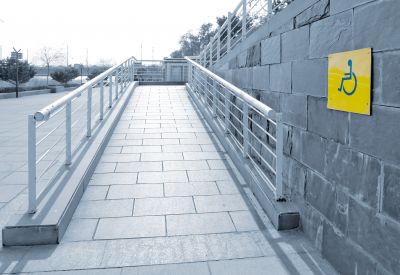
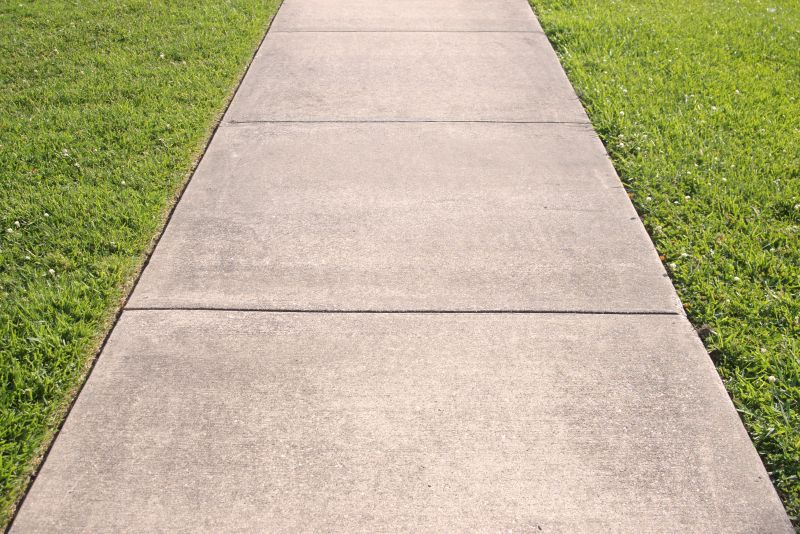
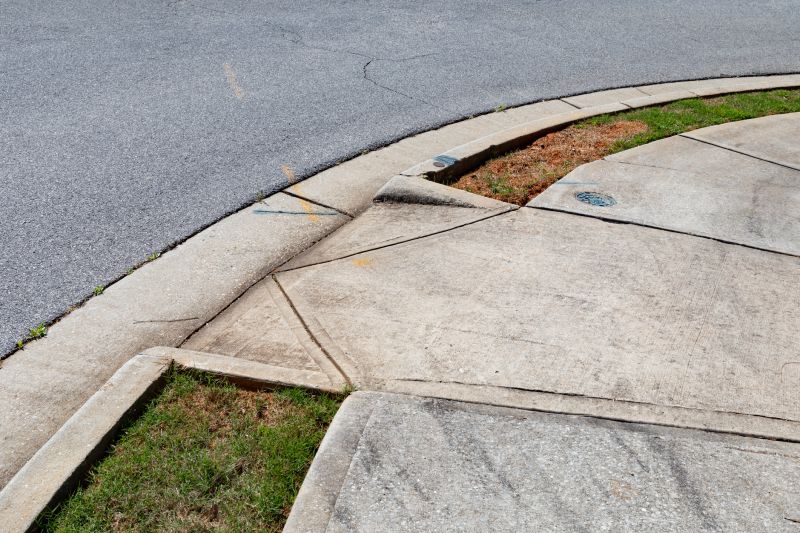
When property owners search for information about ada-compliant concrete sidewalks: what property owners need to know, they are typically looking to understand how to make their sidewalks accessible and compliant with the Americans with Disabilities Act (ADA). This often comes up in the context of renovations, new construction, or upgrades to existing pathways. Property owners may be planning to improve accessibility for visitors, customers, or residents, ensuring that sidewalks are safe, navigable, and meet legal standards. The focus is on understanding what features are required, such as proper slope, width, and surface texture, to accommodate individuals with mobility challenges, including those using wheelchairs, walkers, or other assistive devices.
Many of the problems or plans related to this topic involve addressing uneven surfaces, cracked or deteriorating concrete, or outdated sidewalk designs that no longer meet ADA guidelines. Property owners might be dealing with complaints about accessibility or anticipating future compliance requirements. Others may be planning to install new sidewalks as part of a larger property development or renovation project. These projects often require careful planning to ensure that the sidewalks are not only functional but also durable and safe for all users. Local contractors who specialize in ADA-compliant sidewalk construction can provide guidance on the necessary design features and help ensure that the finished project adheres to accessibility standards.
Properties that typically come up in discussions about ada-compliant concrete sidewalks include commercial sites, such as retail stores, restaurants, and office buildings, as well as multifamily residential complexes, public parks, and government facilities. Additionally, properties with high foot traffic or those located in areas with strict accessibility regulations are often prioritized for sidewalk upgrades. Even some private homes may consider ADA-compliant features if accessibility is a concern for residents or visitors. These projects often involve coordinating with local building codes and accessibility laws, making it essential to work with experienced service providers who understand the specific requirements and best practices for ADA-compliant sidewalk construction.
Understanding how local pros can assist with ada-compliant concrete sidewalks: what property owners need to know, involves recognizing the value of professional expertise in designing and installing accessible pathways. These contractors focus on creating smooth, level surfaces with appropriate slopes, clear widths, and tactile features that meet ADA standards. They can evaluate existing sidewalks, identify areas that need modification, and implement solutions that enhance safety and accessibility. Engaging with experienced local service providers ensures that the project aligns with legal requirements and is built to last, helping property owners avoid costly rework or compliance issues down the line. This practical approach makes it easier to plan, budget, and execute sidewalk projects that serve the needs of all users effectively.
Accessible pathway installation - projects focused on creating pathways that meet accessibility standards often involve similar planning, grading, and concrete work as ADA-compliant sidewalk construction services.
Curb ramp construction - building curb ramps requires precise measurements and concrete skills comparable to those used in installing compliant sidewalks for improved accessibility.
Sidewalk repair and leveling - fixing uneven or damaged sidewalks involves techniques that are applicable to ensuring compliance with ADA guidelines and smooth surface finishes.
Parking lot accessibility upgrades - improving parking areas to meet ADA requirements involves concrete work and planning skills similar to those needed for sidewalk compliance projects.
Public space improvements - projects that enhance walkability and accessibility in parks or community areas often require expertise in ADA standards and concrete installation.
Driveway apron replacements - replacing or modifying driveway entrances involves concrete work that aligns with the skills used in ADA-compliant sidewalk projects for property accessibility.
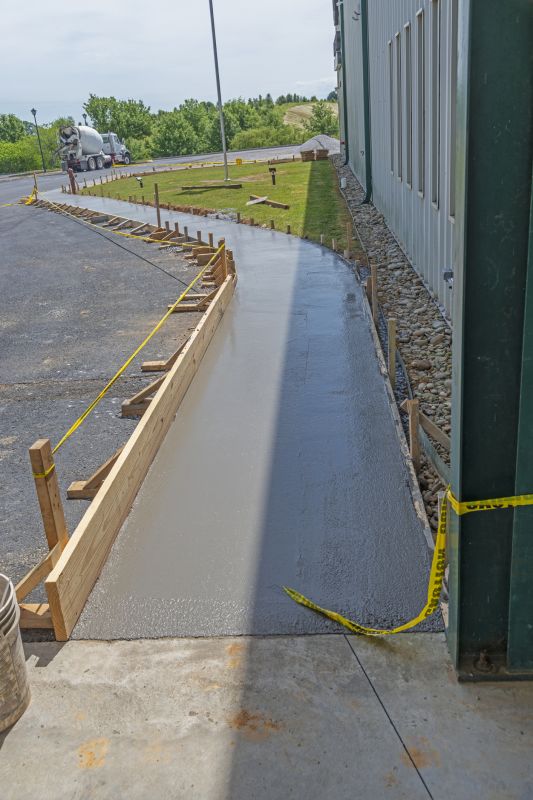
When evaluating potential service providers for ADA-compliant concrete sidewalks, property owners should prioritize experience with similar projects. A contractor who has successfully completed sidewalk installations that meet ADA standards is more likely to understand the specific requirements, such as proper slope, surface texture, and accessible features. Asking for examples of past work or references related to ADA compliance can help determine if a contractor has the relevant expertise. This ensures that the sidewalk will not only meet legal standards but also serve the needs of all users effectively.
Clear, written expectations are essential when comparing local contractors for sidewalk construction. Property owners should seek detailed proposals or scope of work documents that outline the project specifications, materials to be used, and compliance standards to be met. Having these expectations documented helps prevent misunderstandings and provides a basis for evaluating whether a contractor’s approach aligns with ADA guidelines. It also facilitates smoother communication throughout the project, reducing the likelihood of costly revisions or delays.
Reputable references and effective communication skills are key indicators of a reliable service provider. Property owners can ask for references from previous clients who had similar ADA-related projects to gauge the contractor’s professionalism and reliability. Good communication involves timely responses, clarity in explaining the process, and transparency about project details. Service providers who prioritize open dialogue and provide comprehensive information are more likely to deliver a smooth experience and a sidewalk that adheres to accessibility standards. These qualities contribute to a successful project outcome that meets both legal requirements and property needs.
Property owners often search for ada-compliant concrete sidewalks: what property owners need to know when they are planning practical projects around their homes and businesses. Local pros provide ADA-Compliant Sidewalk Construction services for everyday jobs and straightforward project options.
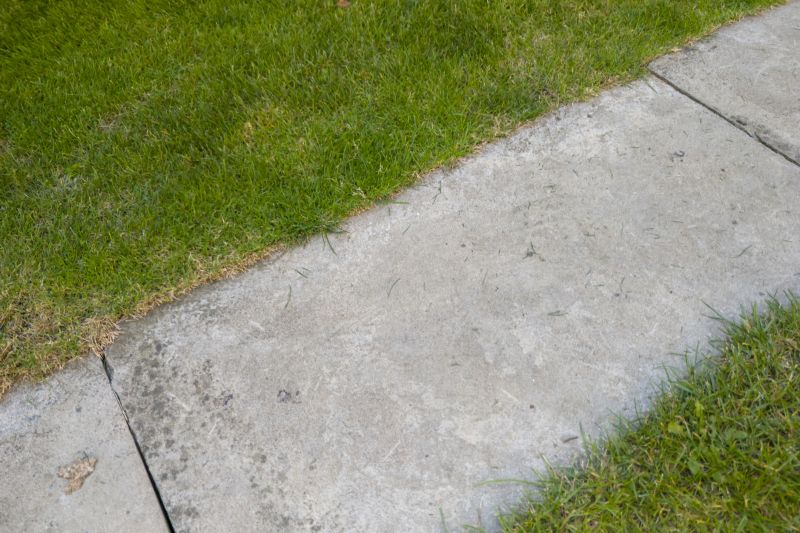
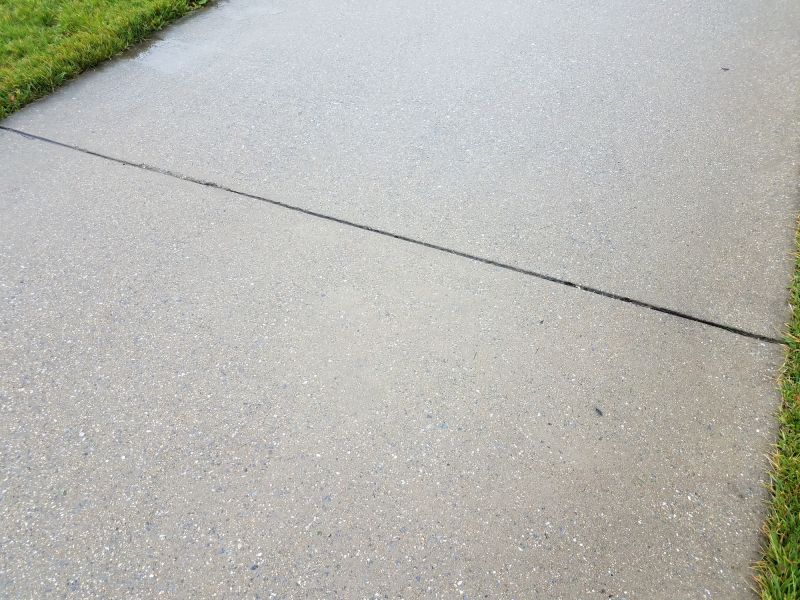
Property owners in the area often look up information on ada-compliant concrete sidewalks: what property owners need to know when planning or updating walkways around their homes or businesses. Everyday situations, such as making a property more accessible for visitors or ensuring compliance with local regulations, can prompt questions about the best ways to design and construct sidewalks that meet ADA standards. Local contractors experienced in sidewalk construction can provide guidance on proper slope, width, and surface features to ensure walkways are safe and accessible for everyone.
Many property owners seek out local service providers when considering sidewalk improvements to avoid potential accessibility issues or to enhance the usability of their outdoor spaces. Whether installing new concrete sidewalks or updating existing ones, choosing a contractor familiar with ADA requirements can help ensure the project adheres to necessary guidelines. These professionals can handle the technical aspects of accessible sidewalk construction, giving property owners peace of mind that their walkways will be safe, compliant, and functional for all users.
What makes a concrete sidewalk ADA-compliant? ADA-compliant concrete sidewalks feature specific design elements such as appropriate slope, width, and textured surfaces to ensure accessibility for all users, including those with mobility challenges. Local contractors can help ensure these standards are met during construction or renovation.
Are there specific requirements for sidewalk slopes and ramps? Yes, ADA guidelines specify maximum slope ratios and the inclusion of ramps where necessary to provide accessible routes. Experienced service providers can design and install these features to meet all accessibility criteria.
How do local contractors ensure the durability of ADA-compliant sidewalks? Local sidewalk construction professionals use quality materials and proper installation techniques to create durable, long-lasting surfaces that remain compliant and safe over time.
What considerations are there for surface texture and curb ramps? Textured surfaces improve traction, and curb ramps facilitate wheelchair access; both are essential components of ADA-compliant sidewalks. Local pros can incorporate these features seamlessly into their construction plans.
Can existing sidewalks be modified to meet ADA standards? Yes, many existing sidewalks can be retrofitted with ramps, textured surfaces, or slope adjustments to improve accessibility. Local service providers can evaluate and perform necessary modifications to ensure compliance.
Ensuring proper slope and curb ramps - property owners can work with local contractors to incorporate ADA-compliant slopes and curb ramps that improve accessibility for all users.
Choosing appropriate sidewalk widths - property owners should plan for sufficient width to accommodate wheelchairs and mobility devices, with guidance from local service providers.
Using accessible surface textures - property owners can select concrete finishes that provide traction and reduce slipping risks, with the help of experienced contractors.
Integrating accessible features into existing walkways - property owners might consider retrofitting current sidewalks to meet ADA standards, with assistance from local construction experts.
If you are thinking about ada-compliant concrete sidewalks: what property owners need to know for a property, this guide is meant to help you understand this topic, the typical project types, and how different options might fit your plans.
When you are ready, you can use the quote form on this page to share a few details about your project. From there, local pros can review the basics and follow up with options that match what you have in mind.